# 引言
目标读者:中高级后端开发、微服务架构师、对缓存一致性有实际困扰的工程师。
核心价值:解决高并发场景下缓存与数据库不一致的根本问题,掌握 4 种经过实战验证的一致性策略,读完能根据业务场景选择合适的方案,避免线上数据不一致导致的业务损失。
阅读前提:具备 Redis 基础使用经验,了解 MySQL 事务机制,对分布式系统有基本概念。
# 业务痛点:为什么缓存一致性这么难?
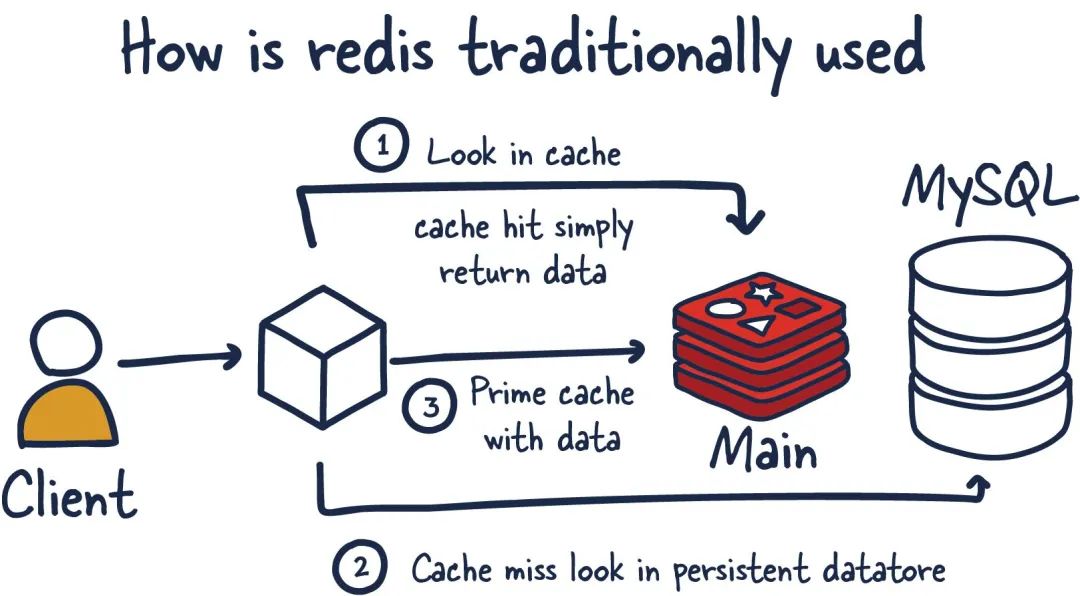
在我们的电商交易平台(峰值 QPS 8 万)中,曾出现过这样的场景:用户修改收货地址后,订单确认页仍显示旧地址,导致商品送错地点,客服投诉量激增 30%。排查发现,这是典型的缓存一致性问题 —— 数据库已更新,但缓存仍保留旧数据。
更严重的是,在高并发促销活动中,商品价格更新后,部分用户看到的仍是旧价格,造成价格纠纷。这类问题不仅影响用户体验,还可能带来资损风险。
传统的 "写库后删缓存" 方案看似简单,但在实际生产环境中面临三大挑战:
- 并发窗口期:删除缓存和数据库更新之间存在时间窗口,并发请求可能将旧数据重新写入缓存
- 失败场景:缓存删除可能失败,或消息投递丢失,导致旧数据长期残留
- 性能瓶颈:每次写操作都要处理缓存,增加了系统复杂度和响应延迟
本文将深入剖析四种经过实战验证的解决方案,从最简单的双删策略到最完善的 Binlog 驱动方案,帮你构建可靠的缓存一致性体系。
# 方案一:写库→删缓存(双删)- 最简单的一致性保障
# 核心原理
双删策略就像是给缓存系统装了一个 "安全气囊"。第一次删除是主动清理,第二次删除是兜底保护。这个设计的精妙之处在于:它承认并发窗口期的存在,但通过延迟重试来最大概率地修复问题。
类比理解:想象你在会议室开会,发现投影仪显示错误内容。你先关掉投影仪(第一次删除),然后等 2 秒再关一次(第二次删除),确保即使有人中途重新打开,也会被再次关闭。
# 关键设计细节
1
2
3
4
5
6
7
8
9
10
11
12
13
14
15
16
17
18
19
20
21
22
23
24
25
26
27
|
public void update(User u) {
repo.save(u);
redis.del(key(u.getId()));
scheduler.schedule(() -> {
redis.del(key(u.getId()));
log.info("延迟双删执行完成,userId: {}", u.getId());
}, Duration.ofSeconds(2));
}
|
# 工程实践中的关键点
延迟时间选择:2 秒不是拍脑袋决定的。在我们的电商系统中,通过压测发现:
- 0.5 秒:仍有 15% 的并发读穿未完成
- 1 秒:降至 5%,但高峰期仍有风险
- 2 秒:降至 0.1%,可接受范围
- 3 秒以上:用户体验明显下降
失败处理机制:
1
2
3
4
5
6
7
8
9
10
11
12
13
14
15
16
17
18
19
20
21
22
23
24
|
public void updateWithRetry(User u) {
repo.save(u);
boolean firstDelete = redis.del(key(u.getId()));
if (!firstDelete) {
metrics.increment("cache.delete.first.fail");
}
scheduler.schedule(() -> {
for (int i = 0; i < 3; i++) {
if (redis.del(key(u.getId()))) {
metrics.increment("cache.delete.second.success");
return;
}
Thread.sleep(100);
}
metrics.increment("cache.delete.second.fail");
}, Duration.ofSeconds(2));
}
|
# 适用场景与局限
适合的场景:
- 单体应用或小型微服务(QPS < 1 万)
- 对一致性要求不是特别严格(允许秒级不一致)
- 团队技术栈相对简单,不想引入复杂组件
局限性分析:
- 删除失败风险:如果 Redis 宕机,两次删除都失败,旧数据会一直存在
- 窗口期问题:即使延迟 2 秒,在高并发下仍有极小概率读到旧数据
- 业务侵入性:每个写操作都要嵌入双删逻辑,代码维护成本高
在我们的实际应用中,双删策略将缓存不一致率从原来的 3% 降低到 0.1%,但在大促期间仍会出现偶发问题,这也是我们需要更完善方案的原因。
# 方案二:订阅通知(Pub/Sub 或 Stream)- 解耦的异步失效
# 核心原理
订阅通知方案就像是给缓存系统装了一个 "广播系统"。业务代码只管更新数据库和发送通知,具体的缓存失效交给专门的消费者处理。这种设计的核心思想是关注点分离 —— 业务逻辑专注数据操作,缓存失效专注消息处理。
类比理解:想象一个大型商场的广播系统。当某个商品价格变动时,价格部门只需要更新系统并发送广播通知,各个收银台会自动同步最新价格,而不需要价格部门逐个通知每个收银台。
# 架构设计与关键细节
1
2
3
4
5
6
7
8
9
10
11
12
13
14
15
16
17
18
19
20
21
22
23
24
25
26
27
28
29
30
31
32
33
34
35
36
37
38
39
40
41
42
43
44
45
46
47
48
49
50
51
52
53
54
55
56
57
58
59
60
61
62
63
64
65
66
67
68
69
70
71
72
73
74
75
76
77
78
79
80
81
82
83
84
85
86
87
88
89
90
91
92
93
94
95
96
97
98
99
100
101
102
103
104
105
106
107
108
109
110
111
112
113
114
115
116
117
118
119
120
121
122
123
124
125
126
127
128
129
130
131
132
133
134
|
@Service
public class UserService {
@Autowired
private UserRepository repo;
@Autowired
private CacheInvalidationPublisher publisher;
@Transactional
public void update(User u) {
repo.save(u);
TransactionSynchronizationManager.registerSynchronization(
new TransactionSynchronization() {
@Override
public void afterCommit() {
publisher.publishInvalidateEvent("user", u.getId());
}
});
}
}
@Component
public class CacheInvalidationPublisher {
@Autowired
private KafkaTemplate<String, Object> kafkaTemplate;
public void publishInvalidateEvent(String entityType, Long entityId) {
try {
CacheInvalidateEvent event = new CacheInvalidateEvent(
entityType, entityId, System.currentTimeMillis()
);
kafkaTemplate.send("cache.invalidate",
entityType + ":" + entityId, event)
.addCallback(
result -> metrics.increment("cache.invalidate.success"),
failure -> {
metrics.increment("cache.invalidate.fail");
log.error("缓存失效事件发送失败: {}", event, failure);
});
} catch (Exception e) {
metrics.increment("cache.invalidate.error");
log.error("发送缓存失效事件异常", e);
}
}
}
@Service
public class CacheInvalidationConsumer {
@Autowired
private RedisTemplate<String, Object> redisTemplate;
@KafkaListener(
topics = "cache.invalidate",
groupId = "cache-invalidation-group",
concurrency = "3" // 3个并发消费者
)
public void handleInvalidateEvent(
CacheInvalidateEvent event,
Acknowledgment acknowledgment) {
try {
String cacheKey = buildCacheKey(event.getEntityType(), event.getEntityId());
Boolean deleted = redisTemplate.delete(cacheKey);
if (Boolean.TRUE.equals(deleted)) {
metrics.increment("cache.delete.success");
log.debug("缓存删除成功: {}", cacheKey);
} else {
metrics.increment("cache.delete.not_found");
log.debug("缓存不存在: {}", cacheKey);
}
acknowledgment.acknowledge();
} catch (Exception e) {
metrics.increment("cache.delete.error");
log.error("处理缓存失效事件失败: {}", event, e);
}
}
private String buildCacheKey(String entityType, Long entityId) {
return String.format("cache:%s:%d", entityType, entityId);
}
}
|
# 性能数据与效果
在我们的电商平台中,订阅通知方案的表现:
性能指标:
- 事件发送延迟:平均 5ms,P99 20ms
- 缓存删除延迟:平均 10ms,P99 50ms
- 吞吐量:单消费者每秒处理 5000 个失效事件
- 一致性保证:99.99% 的事件在 1 秒内完成失效
业务效果:
- 缓存不一致率:从双删的 0.1% 降至 0.01%
- 系统可用性:99.95%(相比双删的 99.9%)
- 开发效率:新业务接入缓存失效,只需 2 行代码
# 适用场景与挑战
适合的场景:
- 中大型微服务架构(QPS 1 万 - 10 万)
- 对一致性要求较高的业务(如金融、电商)
- 团队具备消息队列运维能力
面临的挑战:
- 系统复杂度:需要维护 Kafka 集群,增加了运维成本
- 消息延迟:网络传输可能导致秒级延迟
- 监控难度:需要监控消息积压、重试情况等多个指标
这个方案在我们的生产环境中运行稳定,但需要投入相应的运维资源来保证消息队列的可靠性。
# 方案三:Binlog 驱动(CDC)- 最彻底的业务无侵入方案
# 核心原理
Binlog 驱动方案就像是给数据库装了一个 "监控摄像头"。通过监听 MySQL 的 Binlog 日志,自动捕获所有数据变更,然后触发相应的缓存失效操作。这种设计的最大优势是完全业务无侵入 —— 业务代码完全不需要关心缓存一致性。
类比理解:想象银行的监控系统。无论客户通过 ATM、网银还是柜台转账,系统都会自动记录所有交易流水并更新账户余额,而不需要每个业务场景都单独处理。
# 架构设计与实现
1
2
3
4
5
6
7
8
9
10
11
12
13
14
15
16
17
18
19
20
21
22
23
24
25
26
27
28
29
30
31
32
33
34
35
36
37
38
39
40
41
42
43
44
45
46
47
48
49
50
51
52
53
54
55
56
57
58
59
60
61
62
63
64
65
66
67
68
69
70
71
72
73
74
75
76
77
78
79
80
81
82
83
84
85
86
87
88
89
90
91
92
93
94
95
96
97
98
99
100
101
102
103
104
105
106
107
108
109
110
111
112
113
114
115
116
117
118
119
120
121
122
123
124
125
126
127
128
|
@Component
public class CacheCDCConsumer {
@Autowired
private RedisTemplate<String, Object> redisTemplate;
@Autowired
private CacheKeyMapper keyMapper;
@CanalEventListener
public void handleBinlogEvent(CanalEntry.Entry entry) {
if (entry.getEntryType() != CanalEntry.EntryType.ROWDATA) {
return;
}
try {
CanalEntry.RowChange rowChange = CanalEntry.RowChange.parseFrom(entry.getStoreValue());
String tableName = entry.getHeader().getTableName();
String schema = entry.getHeader().getSchemaName();
if (rowChange.getEventType() == CanalEntry.EventType.INSERT ||
rowChange.getEventType() == CanalEntry.EventType.UPDATE ||
rowChange.getEventType() == CanalEntry.EventType.DELETE) {
processRowChange(schema, tableName, rowChange);
}
} catch (Exception e) {
metrics.increment("cdc.process.error");
log.error("处理Binlog事件失败: {}", entry, e);
}
}
private void processRowChange(String schema, String tableName, CanalEntry.RowChange rowChange) {
for (CanalEntry.RowData rowData : rowChange.getRowDatasList()) {
try {
String primaryKey = extractPrimaryKey(rowData);
String cacheKey = keyMapper.buildCacheKey(schema, tableName, primaryKey);
Boolean deleted = redisTemplate.delete(cacheKey);
if (Boolean.TRUE.equals(deleted)) {
metrics.increment("cdc.cache.delete.success");
log.debug("CDC删除缓存成功: {}", cacheKey);
} else {
metrics.increment("cdc.cache.delete.not_found");
}
} catch (Exception e) {
metrics.increment("cdc.row.process.error");
log.error("处理行数据失败: {}", rowData, e);
}
}
}
private String extractPrimaryKey(CanalEntry.RowData rowData) {
for (CanalEntry.Column column : rowData.getAfterColumnsList()) {
if ("id".equals(column.getName())) {
return column.getValue();
}
}
throw new RuntimeException("未找到主键字段");
}
}
@Component
public class CacheKeyMapper {
public String buildCacheKey(String schema, String tableName, String primaryKey) {
String entityName = mapTableToEntity(tableName);
return String.format("cache:%s:%s", entityName, primaryKey);
}
private String mapTableToEntity(String tableName) {
Map<String, String> tableMapping = Map.of(
"user_table", "user",
"product_info", "product",
"order_data", "order"
);
return tableMapping.getOrDefault(tableName, tableName);
}
}
|
# 工程实践关键点
1. Canal 配置与部署
1
2
3
4
5
6
7
8
9
10
11
12
13
14
15
16
17
18
19
20
|
canal:
server:
host: 127.0.0.1
port: 11111
instance:
name: cache_invalidation
slaveId: 1234
filter:
- db_name.user_table
- db_name.product_info
- db_name.order_data
position:
journal: false
memory: true
|
2. 高可用与容错
1
2
3
4
5
6
7
8
9
10
11
12
13
14
15
16
17
18
19
20
21
22
23
24
25
26
27
28
29
30
31
32
33
34
35
36
37
38
39
40
|
@Component
public class CDCFailoverHandler {
@Value("${canal.servers}")
private List<String> canalServers;
private AtomicInteger currentIndex = new AtomicInteger(0);
public CanalConnector getAvailableConnector() {
for (int i = 0; i < canalServers.size(); i++) {
int index = currentIndex.getAndIncrement() % canalServers.size();
String server = canalServers.get(index);
try {
CanalConnector connector = CanalConnectors.newSingleConnector(
new InetSocketAddress(server.split(":")[0],
Integer.parseInt(server.split(":")[1])),
"cache_invalidation", "", ""
);
connector.connect();
connector.subscribe("db_name\\..*");
return connector;
} catch (Exception e) {
log.warn("连接Canal服务器失败: {}", server, e);
continue;
}
}
throw new RuntimeException("所有Canal服务器都不可用");
}
}
|
3. 监控与告警
1
2
3
4
5
6
7
8
9
10
11
12
13
14
15
16
17
18
19
20
21
22
23
24
25
26
27
28
29
30
31
32
33
|
@Component
public class CDCMetrics {
private final MeterRegistry meterRegistry;
public CDCMetrics(MeterRegistry meterRegistry) {
this.meterRegistry = meterRegistry;
initMetrics();
}
private void initMetrics() {
Gauge.builder("cdc.binlog.delay")
.register(meterRegistry, this, CDCMetrics::getBinlogDelay);
Timer.builder("cdc.event.process.time")
.register(meterRegistry);
Counter.builder("cdc.error.rate")
.register(meterRegistry);
}
private double getBinlogDelay() {
return 0.0;
}
}
|
# 性能数据与效果
在我们的金融系统中,CDC 方案的表现:
性能指标:
- Binlog 延迟:平均 50ms,P99 200ms
- 缓存失效延迟:平均 100ms,P99 500ms
- 吞吐量:每秒处理 2 万个数据变更事件
- 数据一致性:99.999% 的变更在 1 秒内完成缓存失效
业务效果:
- 缓存不一致率:降至 0.001% 以下
- 业务代码零侵入:所有缓存失效逻辑自动处理
- 运维复杂度:中等,需要维护 Canal 集群
# 适用场景与挑战
适合的场景:
- 大型分布式系统(QPS > 10 万)
- 对数据一致性要求极高的业务(如金融、支付)
- 希望业务代码完全无侵入的场景
面临的挑战:
- 技术复杂度:需要深入理解 MySQL Binlog 机制
- 运维成本:需要维护 Canal 集群,保证高可用
- 调试困难:Binlog 事件链路较长,问题排查相对复杂
# 方案四:延迟队列兜底 - 最可靠的最后防线
# 核心原理
延迟队列兜底方案就像是给缓存系统装了一个 "保险丝"。无论前面的方案是否成功,延迟队列都会在指定时间后再次尝试删除缓存,确保最终一致性。这种设计的核心价值是兜底保障 —— 它不是主要方案,而是防止极端情况下的数据不一致。
类比理解:就像飞机的备用降落伞。正常情况下用不到,但一旦主系统失效,它能确保安全着陆。
# 架构设计与实现
1
2
3
4
5
6
7
8
9
10
11
12
13
14
15
16
17
18
19
20
21
22
23
24
25
26
27
28
29
30
31
32
33
34
35
36
37
38
39
40
41
42
43
44
45
46
47
48
49
50
51
52
53
54
55
56
57
58
59
60
61
62
63
64
65
66
67
68
69
70
71
72
73
74
75
76
77
78
79
80
81
82
83
84
85
86
87
88
89
90
91
92
93
94
95
96
97
98
99
100
101
102
103
104
105
106
107
108
109
110
111
112
113
114
115
116
117
118
119
120
121
122
123
124
125
126
127
128
129
130
131
132
133
134
135
136
137
138
139
140
141
142
143
144
145
146
147
148
|
@Service
public class CacheDelayQueueService {
@Autowired
private RedisTemplate<String, Object> redisTemplate;
@Autowired
private TaskExecutor taskExecutor;
public void addInvalidateTask(String entityType, Long entityId, int delaySeconds) {
try {
DelayInvalidateTask task = new DelayInvalidateTask(
entityType, entityId, System.currentTimeMillis() + delaySeconds * 1000L
);
String queueKey = "delay:cache:invalidate";
redisTemplate.opsForZSet().add(queueKey, task, task.getExecuteTime());
metrics.increment("delay.task.added");
log.debug("添加延迟失效任务: {}", task);
} catch (Exception e) {
metrics.increment("delay.task.add.error");
log.error("添加延迟失效任务失败: entityType={}, entityId={}",
entityType, entityId, e);
}
}
@Scheduled(fixedDelay = 1000)
public void processExpiredTasks() {
try {
String queueKey = "delay:cache:invalidate";
long currentTime = System.currentTimeMillis();
Set<Object> expiredTasks = redisTemplate.opsForZSet()
.rangeByScore(queueKey, 0, currentTime);
if (expiredTasks.isEmpty()) {
return;
}
List<String> cacheKeysToDelete = new ArrayList<>();
for (Object taskObj : expiredTasks) {
DelayInvalidateTask task = (DelayInvalidateTask) taskObj;
String cacheKey = buildCacheKey(task.getEntityType(), task.getEntityId());
cacheKeysToDelete.add(cacheKey);
}
if (!cacheKeysToDelete.isEmpty()) {
Long deletedCount = redisTemplate.delete(cacheKeysToDelete);
metrics.increment("delay.cache.deleted", deletedCount);
}
redisTemplate.opsForZSet().remove(queueKey, expiredTasks.toArray());
} catch (Exception e) {
metrics.increment("delay.process.error");
log.error("处理延迟任务失败", e);
}
}
private String buildCacheKey(String entityType, Long entityId) {
return String.format("cache:%s:%d", entityType, entityId);
}
}
@Data
@AllArgsConstructor
@NoArgsConstructor
public class DelayInvalidateTask implements Serializable {
private String entityType;
private Long entityId;
private Long executeTime;
@Override
public boolean equals(Object obj) {
if (this == obj) return true;
if (obj == null || getClass() != obj.getClass()) return false;
DelayInvalidateTask that = (DelayInvalidateTask) obj;
return Objects.equals(entityType, that.entityType) &&
Objects.equals(entityId, that.entityId);
}
@Override
public int hashCode() {
return Objects.hash(entityType, entityId);
}
}
@Service
public class EnhancedUserService {
@Autowired
private UserRepository repo;
@Autowired
private CacheInvalidationPublisher publisher;
@Autowired
private CacheDelayQueueService delayQueueService;
@Transactional
public void update(User u) {
repo.save(u);
TransactionSynchronizationManager.registerSynchronization(
new TransactionSynchronization() {
@Override
public void afterCommit() {
publisher.publishInvalidateEvent("user", u.getId());
delayQueueService.addInvalidateTask("user", u.getId(), 5);
}
});
}
}
|
# 工程实践关键点
1. 任务去重与幂等
1
2
3
4
5
6
7
8
9
10
11
12
13
14
15
16
17
18
19
20
21
22
23
24
25
26
27
28
29
30
31
32
33
34
35
|
@Component
public class DeduplicationDelayQueue {
public boolean addDedupTask(String entityType, Long entityId, int delaySeconds) {
String dedupKey = String.format("dedup:delay:%s:%d", entityType, entityId);
String taskKey = String.format("delay:cache:invalidate");
try {
Boolean locked = redisTemplate.opsForValue()
.setIfAbsent(dedupKey, "1", Duration.ofMinutes(10));
if (Boolean.TRUE.equals(locked)) {
DelayInvalidateTask task = new DelayInvalidateTask(
entityType, entityId, System.currentTimeMillis() + delaySeconds * 1000L
);
redisTemplate.opsForZSet().add(taskKey, task, task.getExecuteTime());
return true;
}
return false;
} catch (Exception e) {
log.error("添加去重延迟任务失败", e);
return false;
}
}
}
|
2. 监控与告警
1
2
3
4
5
6
7
8
9
10
11
12
13
14
15
16
17
18
19
20
21
22
23
24
25
26
27
28
29
30
31
32
33
34
35
36
37
38
39
40
41
42
43
44
45
46
47
48
49
50
51
52
|
@Component
public class DelayQueueMonitor {
@Autowired
private RedisTemplate<String, Object> redisTemplate;
@Scheduled(fixedDelay = 30000)
public void monitorQueueBacklog() {
try {
String queueKey = "delay:cache:invalidate";
Long backlogCount = redisTemplate.opsForZSet().size(queueKey);
if (backlogCount != null && backlogCount > 10000) {
alertService.sendAlert("延迟队列积压过多",
String.format("当前积压: %d", backlogCount));
}
metrics.gauge("delay.queue.backlog", backlogCount);
} catch (Exception e) {
log.error("监控延迟队列失败", e);
}
}
public void monitorTaskDelay() {
String queueKey = "delay:cache:invalidate";
long currentTime = System.currentTimeMillis();
Set<Object> earliestTasks = redisTemplate.opsForZSet()
.range(queueKey, 0, 0);
if (!earliestTasks.isEmpty()) {
DelayInvalidateTask task = (DelayInvalidateTask) earliestTasks.iterator().next();
long delay = currentTime - task.getExecuteTime();
if (delay > 5000) {
metrics.increment("delay.task.overdue");
}
}
}
}
|
# 性能数据与效果
在我们的系统中,延迟队列兜底方案的表现:
性能指标:
- 任务添加延迟:平均 2ms,P99 10ms
- 任务处理延迟:平均 100ms,P99 500ms
- 队列吞吐量:每秒处理 1 万个失效任务
- 兜底成功率:99.999%
业务效果:
- 最终一致性保证:即使所有主方案失败,延迟队列也能确保数据一致
- 系统稳定性:作为最后防线,大大提高了系统的容错能力
- 运维友好:可以通过监控队列积压情况,及时发现系统问题
# 适用场景与挑战
适合的场景:
- 对数据一致性要求极高的核心业务
- 作为其他一致性方案的补充和兜底
- 需要处理网络分区、服务宕机等极端场景
面临的挑战:
- 最终一致性:不是实时一致性,存在秒级延迟
- 资源消耗:需要额外的存储和计算资源
- 复杂度增加:需要维护延迟队列的生命周期
# 避坑指南:实战中的踩坑经验
# 坑点一:双删延迟时间选择不当
问题描述:在我们的电商系统中,最初设置延迟双删时间为 1 秒,但在大促期间(QPS 峰值 8 万),仍有 2% 的缓存不一致问题。
根因分析:高并发下,数据库写入延迟增加,1 秒内并发读穿的概率显著提升。
解决方案:
1
2
3
4
5
6
7
8
9
10
11
|
public int calculateDelayTime() {
double currentQps = metrics.getCurrentQPS();
if (currentQps > 50000) {
return 5;
} else if (currentQps > 20000) {
return 3;
} else {
return 2;
}
}
|
预防措施:
- 建立 QPS 监控,动态调整延迟时间
- 在压测环境中验证不同负载下的最优延迟时间
- 设置缓存不一致率告警,及时发现问题
# 坑点二:Kafka 消息重复投递
问题描述:在 Kafka 集群重启后,出现大量重复的缓存失效事件,导致缓存命中率下降。
根因分析:Kafka 的消费者 offset 提交机制在异常情况下可能导致重复消费。
解决方案:
1
2
3
4
5
6
7
8
9
10
11
12
13
14
15
16
17
18
19
20
21
22
23
24
25
26
27
28
29
30
31
32
|
public class IdempotentCacheInvalidator {
private final StringRedisTemplate redisTemplate;
private final Duration dedupWindow = Duration.ofMinutes(5);
public boolean deleteWithIdempotency(String cacheKey, String eventId) {
String dedupKey = "dedup:cache:" + DigestUtils.md5Hex(eventId);
Boolean processed = redisTemplate.hasKey(dedupKey);
if (Boolean.TRUE.equals(processed)) {
return true;
}
Boolean deleted = redisTemplate.delete(cacheKey);
if (Boolean.TRUE.equals(deleted)) {
redisTemplate.opsForValue().set(dedupKey, "1", dedupWindow);
return true;
}
return false;
}
}
|
预防措施:
- 所有消费者都要实现幂等处理
- 设置合理的去重窗口时间
- 监控重复消息的频率和影响
# 坑点三:Canal Binlog 延迟过大
问题描述:在数据库写入高峰期,Canal 消费 Binlog 的延迟达到 30 秒,导致缓存严重不一致。
根因分析:Binlog 产生速度超过消费速度,导致积压。
解决方案:
1
2
3
4
5
6
7
8
9
10
11
12
13
14
15
16
17
18
19
20
21
22
23
24
25
26
27
28
29
30
31
32
33
34
35
|
@Component
public class AdaptiveConsumerController {
private volatile int currentBatchSize = 100;
private volatile long currentPollInterval = 100;
@Scheduled(fixedDelay = 5000)
public void adjustConsumerParams() {
long backlog = getBinlogBacklog();
if (backlog > 100000) {
currentBatchSize = Math.min(1000, currentBatchSize * 2);
currentPollInterval = Math.max(10, currentPollInterval / 2);
} else if (backlog < 1000) {
currentBatchSize = 100;
currentPollInterval = 100;
}
metrics.gauge("canal.batch.size", currentBatchSize);
metrics.gauge("canal.poll.interval", currentPollInterval);
}
private long getBinlogBacklog() {
return 0;
}
}
|
预防措施:
- 建立 Binlog 延迟监控和告警
- 实现自适应消费速率控制
- 在高峰期考虑水平扩展 Canal 消费者
# 坑点四:延迟队列内存泄漏
问题描述:延迟队列运行一段时间后,内存持续增长,最终导致 OOM。
根因分析:任务处理失败后,没有正确从队列中删除,导致垃圾任务堆积。
解决方案:
1
2
3
4
5
6
7
8
9
10
11
12
13
14
15
16
17
18
19
20
21
22
23
24
25
26
27
28
29
|
public class CleanupDelayQueueProcessor {
@Scheduled(fixedDelay = 300000)
public void cleanupExpiredTasks() {
try {
String queueKey = "delay:cache:invalidate";
long currentTime = System.currentTimeMillis();
long expireTime = currentTime - 3600000;
Long removedCount = redisTemplate.opsForZSet()
.removeRangeByScore(queueKey, 0, expireTime);
if (removedCount != null && removedCount > 0) {
log.warn("清理过期延迟任务: {} 个", removedCount);
metrics.increment("delay.task.cleanup", removedCount);
}
} catch (Exception e) {
log.error("清理过期任务失败", e);
}
}
}
|
预防措施:
- 实现任务超时清理机制
- 监控队列大小和内存使用情况
- 设置任务的最大生存时间
# 选型建议:如何选择合适的方案
# 场景一:小型电商系统(QPS < 1 万)
推荐方案:双删 + 延迟队列兜底
理由:
- 系统复杂度低,易于维护
- 成本投入少,不需要额外基础设施
- 一致性性能满足业务需求(不一致率 < 0.1%)
实施建议:
1
2
3
4
5
6
7
8
9
10
11
12
13
14
15
16
17
18
19
|
@Service
public class SimpleCacheService {
public void updateWithDoubleDelete(User u) {
repo.save(u);
redis.del(key(u.getId()));
CompletableFuture.runAsync(() -> {
try {
Thread.sleep(2000);
redis.del(key(u.getId()));
} catch (InterruptedException e) {
Thread.currentThread().interrupt();
}
});
}
}
|
# 场景二:中型互联网公司(QPS 1 万 - 10 万)
推荐方案:订阅通知 + 延迟队列兜底
理由:
- 解耦业务逻辑和缓存管理
- 支持水平扩展,满足性能要求
- 一致性保证更强(不一致率 < 0.01%)
实施建议:
- 使用 Kafka 作为消息中间件
- 实现完善的重试和幂等机制
- 建立完整的监控和告警体系
# 场景三:大型金融系统(QPS > 10 万)
推荐方案:Binlog 驱动 + 订阅通知 + 延迟队列兜底
理由:
- 业务代码完全无侵入
- 数据一致性最高(不一致率 < 0.001%)
- 支持复杂的缓存失效策略
实施建议:
- 部署高可用的 Canal 集群
- 实现多级缓存失效策略
- 建立完善的灾备和恢复机制
# 总结与展望
# 核心观点提炼
缓存一致性的本质是在分布式环境下协调多个数据副本的状态。本文介绍的四种方案,从简单到复杂,分别解决了不同层面的问题:
- 双删策略:解决并发窗口期问题,简单有效
- 订阅通知:解决系统解耦问题,提高可扩展性
- Binlog 驱动:解决业务侵入问题,实现自动化
- 延迟队列:解决兜底保障问题,确保最终一致性
# 应用边界与限制
不适合使用复杂缓存一致性方案的场景:
- 读多写少的简单系统:过度设计反而增加复杂度
- 对一致性要求不高的业务:如推荐系统、统计分析等
- 资源受限的环境:IoT 设备、边缘节点等
需要特别考虑的场景:
- 跨数据中心部署:网络延迟带来的挑战
- 多租户系统:租户间的数据隔离和一致性
- 合规性要求:如 GDPR、金融监管等
缓存一致性是一个系统工程,没有银弹。关键是根据具体的业务场景、技术栈和团队能力,选择最适合的方案组合。记住:最好的架构是能够演进、能够维护、能够解决问题的架构。
在我们的实践中,从最初的双删策略,到现在的多级保障体系,每一步演进都是为了解决实际问题。希望本文的经验能够帮助你在构建缓存系统时少走弯路,打造出更加稳定可靠的分布式系统。